
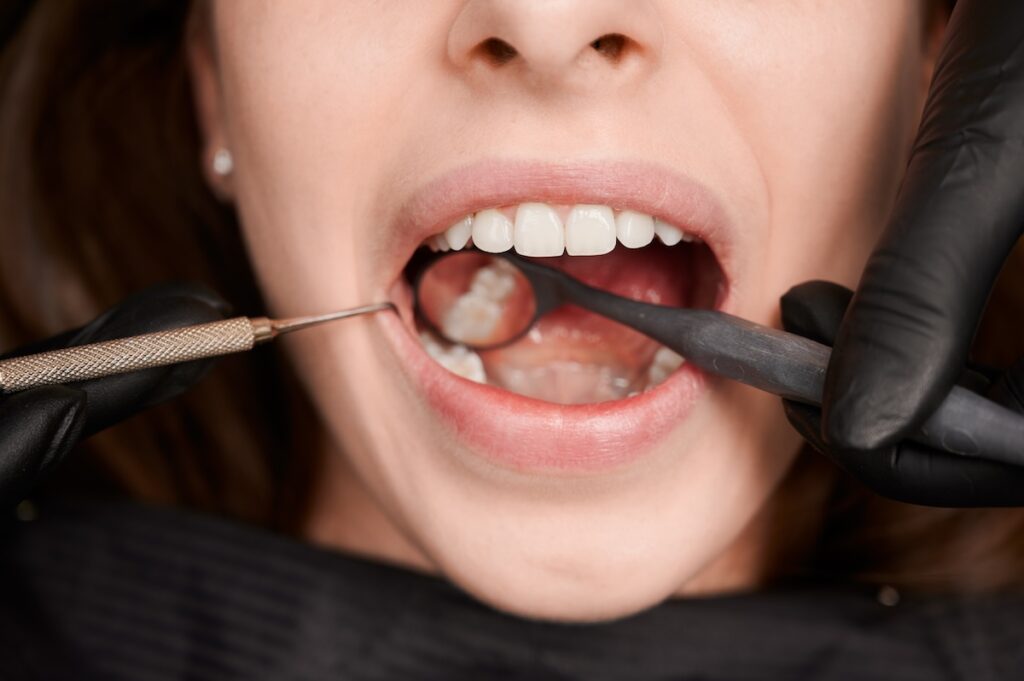
Understanding Gingivitis: Definition and Causes
Gingivitis is the earliest stage of gum disease, marked by inflammation of the gums, or gingiva. This condition is primarily caused by the accumulation of plaque—a sticky, colourless film of bacteria—on the teeth. When plaque is not removed through regular brushing and flossing, it can harden into tartar, which is much more difficult to remove and can exacerbate gum irritation. Plaque and tartar buildup at the gumline is the primary driver of gingivitis.
Several factors contribute to the development of gingivitis. Poor oral hygiene is the most common cause, as it allows plaque to accumulate unchecked. Additionally, lifestyle factors such as smoking or chewing tobacco significantly increase the risk of gingivitis. Other contributing factors include hormonal changes (such as those occurring during pregnancy, menstruation, or menopause), certain illnesses (like diabetes or HIV), medications that reduce saliva flow, and genetic predisposition.
Stress and poor nutrition are also notable contributors. Stress can weaken the immune system, making it harder for the body to fight infections, including those in the mouth. A diet lacking in essential nutrients can impair the body’s ability to maintain healthy tissues, including the gums. Deficiencies in vitamin C and calcium, for example, can make the gums more susceptible to disease. Understanding these causes and taking preventive measures can help in maintaining healthy gums and preventing the onset of gingivitis.
Understanding Periodontitis: Definition and Causes
Periodontitis is a severe gum infection that damages the soft tissue and, if left untreated, can destroy the bone supporting the teeth. It is a progression from untreated gingivitis and represents a more advanced stage of gum disease. The condition occurs when the inflammation of the gums extends deeper into the supportive structures of the teeth, including the periodontal ligament and the alveolar bone.
The primary cause of periodontitis is the same bacteria-laden plaque that causes gingivitis. However, with periodontitis, the body’s immune response to the plaque bacteria causes inflammation that not only affects the gums but also the bone and connective tissue that support the teeth. Over time, this can lead to the formation of pockets between the teeth and gums where bacteria can thrive, further exacerbating the infection.
Several factors can increase the risk of developing periodontitis, including poor oral hygiene, smoking, and genetic predisposition. Other risk factors include systemic diseases such as diabetes, which can affect the body’s inflammatory response, and conditions that decrease saliva production, as saliva helps protect the teeth and gums. Additionally, certain medications and hormonal changes can make the gums more sensitive and vulnerable to infection. Understanding these causes is crucial for preventing the escalation of gum disease from gingivitis to periodontitis.
Key Symptoms of Gingivitis
Recognizing the symptoms of gingivitis is essential for early intervention and treatment. One of the most common symptoms is red, swollen gums that may be tender to the touch. Healthy gums are usually firm and pale pink, so any deviation from this normal appearance can be a sign of gingivitis. Another hallmark symptom is bleeding gums, especially during brushing or flossing. While some people mistake this as a sign of brushing too hard, it is often an indication of underlying gum inflammation.
Bad breath, or halitosis, is another common symptom of gingivitis. The bacterial plaque that accumulates on the teeth and gums produces toxins that can cause an unpleasant odor. This symptom can be particularly troublesome as it affects social interactions and can be persistent despite regular brushing and use of mouthwash. If you notice chronic bad breath, it is worth consulting a dentist to check for gingivitis.
Finally, gingivitis can leave the gum margin feeling puffy or tender around the tooth, sometimes with mild sensitivity along the gumline. It is worth noting, however, that true gum recession — where the gum pulls back and exposes the root surface — is a sign of periodontitis rather than gingivitis, because gingivitis does not involve loss of the underlying supporting bone or attachment. Recognising these earlier warning signs and addressing them promptly is what stops gum disease from progressing to that more advanced stage.
Key Symptoms of Periodontitis
Periodontitis presents with more severe symptoms than gingivitis, reflecting its advanced stage. One of the most notable symptoms is the formation of deep pockets between the teeth and gums. These pockets can become infected, filling with bacteria and pus, which can lead to further inflammation and damage. This condition often results in chronic bad breath or a bad taste in the mouth, as the infection and bacteria produce foul-smelling byproducts.
Another significant symptom of periodontitis is gum recession, where the gums pull away from the teeth, making them appear longer. This recession can expose the roots of the teeth, leading to increased sensitivity to hot, cold, or sweet foods and drinks. In severe cases, the bone that supports the teeth can be lost, leading to loose or shifting teeth. This can affect your bite and make it difficult to chew food properly.
One of the most severe consequences of periodontitis is tooth loss. As the supporting bone and tissues deteriorate, the teeth may no longer be adequately anchored in the jaw. This can result in teeth falling out or requiring extraction. Recognizing these symptoms early and seeking appropriate treatment is crucial to halt the progression of periodontitis and preserve oral health.
The Progression from Gingivitis to Periodontitis
The progression from gingivitis to periodontitis is a gradual process, but it can have significant implications for oral health if not addressed promptly. Gingivitis is the initial stage of gum disease, characterized by inflammation and irritation of the gums due to plaque buildup. If gingivitis is left untreated, the inflammation can extend deeper into the periodontal tissues, leading to periodontitis.
In the early stages of periodontitis, the gums begin to pull away from the teeth, forming pockets that harbor bacteria. These bacteria release toxins that trigger an inflammatory response, which further damages the gum tissue and the bone that supports the teeth. As the disease progresses, these pockets deepen, and more bone and connective tissue are destroyed. This process can occur without causing significant pain, which is why many people may not realize the severity of their condition until it is advanced.
The transition from gingivitis to periodontitis can be accelerated by several factors, including smoking, poor oral hygiene, and underlying health conditions such as diabetes. Once periodontitis is established, it requires more intensive treatment to manage and prevent further damage. Regular dental check-ups and good oral hygiene practices are essential in catching gum disease in its early stages and preventing its progression.
Risk Factors for Developing Gingivitis and Periodontitis
Several risk factors can increase the likelihood of developing gingivitis and periodontitis. Poor oral hygiene is the most significant risk factor, as inadequate brushing and flossing allow plaque to accumulate on the teeth and gums. This plaque buildup is the primary cause of both gingivitis and periodontitis. Regular dental check-ups and professional cleanings are essential in maintaining good oral hygiene and preventing gum disease.
Smoking and tobacco use are major risk factors for gum disease. Tobacco products can interfere with the normal function of gum tissue cells, making the mouth more susceptible to infections. Smokers are more likely to develop tartar on their teeth, and the reduced blood flow to the gums can impair the healing process, making it harder to treat gum disease once it develops.
Other risk factors include certain medical conditions such as diabetes, which can affect the body’s ability to fight infections, including those in the mouth. Hormonal changes, such as those occurring during pregnancy, menstruation, or menopause, can also make gums more sensitive and prone to inflammation. Additionally, medications that reduce saliva flow, such as antihistamines and antidepressants, can increase the risk of gum disease, as saliva helps protect the teeth and gums from bacterial infection. Understanding these risk factors can help in taking preventive measures to maintain healthy gums.
Diagnosis: How Dentists Identify Gingivitis and Periodontitis
Diagnosing gingivitis and periodontitis involves a thorough examination by a dentist or periodontist. The diagnostic process typically begins with a review of the patient’s medical and dental history to identify any risk factors or underlying conditions that may contribute to gum disease. The dentist will then perform a clinical examination, checking for signs of inflammation, bleeding, and gum recession.
One of the key diagnostic tools used to identify gum disease is the periodontal probe. This instrument is gently inserted into the spaces between the teeth and gums to measure the depth of the pockets. Healthy gums typically have pocket depths of one to three millimeters, while deeper pockets may indicate the presence of gum disease. The dentist may also take X-rays to assess the health of the underlying bone and to check for any bone loss that may have occurred due to periodontitis.
In some cases, the dentist may refer the patient to a periodontist, a specialist in the treatment of gum disease, for further evaluation and treatment. The periodontist may use additional diagnostic tools, such as a microbial analysis of the bacteria present in the gum pockets, to determine the severity of the infection and to tailor the treatment plan accordingly. Early diagnosis and intervention are crucial in managing gum disease and preventing its progression.
Treatment Options for Gingivitis
The primary goal of treating gingivitis is to reduce inflammation and eliminate the plaque and tartar that cause it. The treatment process typically begins with a professional dental cleaning, known as scaling, to remove plaque and tartar from the teeth and gumline. This may be followed by root planing, a procedure that smooths the root surfaces to prevent further plaque buildup and to help the gums reattach to the teeth.
Improving oral hygiene practices is essential in treating and preventing gingivitis. Patients are advised to brush their teeth at least twice a day with fluoride toothpaste and to floss daily to remove plaque from areas that the toothbrush cannot reach. Using an antiseptic mouthwash can also help reduce bacteria and prevent plaque buildup. Regular dental check-ups and professional cleanings are essential in maintaining oral health and preventing the recurrence of gingivitis.
In addition to professional treatment and improved oral hygiene, lifestyle changes can play a significant role in managing gingivitis. Quitting smoking and maintaining a healthy diet rich in vitamins and minerals can support gum health and reduce the risk of inflammation. In some cases, the dentist may recommend the use of antimicrobial mouth rinses or oral antibiotics to control bacterial infection and promote healing. With proper care and treatment, gingivitis can be effectively managed and reversed.
Treatment Options for Periodontitis
Treating periodontitis requires a more intensive approach than gingivitis due to the advanced nature of the disease. The primary goal is to control the infection, stop the progression of the disease, and repair any damage that has occurred. The treatment process typically begins with a thorough cleaning of the teeth and gums, known as scaling and root planing. This procedure removes plaque and tartar from above and below the gumline and smooths the root surfaces to discourage further bacterial growth.
In more severe cases, surgical intervention may be necessary. One common surgical procedure is flap surgery, where the gums are lifted back to allow deep cleaning of the tooth roots. The gums are then sutured back in place to reduce pocket depth and promote healing. Bone and tissue grafts may also be used to regenerate lost bone and gum tissue. These grafts can help restore the supportive structures of the teeth and prevent further tooth loss.
In addition to professional treatment, maintaining good oral hygiene is crucial in managing periodontitis. Patients are advised to brush and floss regularly, use antimicrobial mouth rinses, and attend regular dental check-ups. Lifestyle changes, such as quitting smoking and managing underlying health conditions like diabetes, can also support treatment outcomes. In some cases, the dentist may prescribe oral antibiotics or locally applied antibiotics to control bacterial infection and promote healing. With prompt and comprehensive treatment, the progression of periodontitis can be halted, and oral health can be restored.
Prevention Tips for Maintaining Healthy Gums
Maintaining healthy gums requires a proactive approach to oral hygiene and lifestyle choices. One of the most effective ways to prevent gum disease is to practice good oral hygiene. This includes brushing your teeth at least twice a day with fluoride toothpaste, flossing daily to remove plaque from between the teeth, and using an antiseptic mouthwash to reduce bacteria and prevent plaque buildup. Regular dental check-ups and professional cleanings are essential in maintaining oral health and catching any early signs of gum disease.
A healthy diet plays a significant role in maintaining gum health. Consuming a balanced diet rich in vitamins and minerals, particularly vitamin C and calcium, can support gum health and reduce the risk of inflammation. Avoiding sugary and acidic foods and drinks can also help prevent plaque buildup and tooth decay. Staying hydrated by drinking plenty of water can promote saliva production, which helps protect the teeth and gums from bacterial infection.
Lifestyle choices, such as quitting smoking and managing stress, can also support gum health. Smoking is a major risk factor for gum disease, as it reduces blood flow to the gums and impairs the healing process. Stress can weaken the immune system, making it harder for the body to fight infections, including those in the mouth. Regular exercise and stress management techniques, such as meditation and deep breathing, can support overall health and reduce the risk of gum disease. By taking these preventive measures, you can maintain healthy gums and protect your smile for years to come.
Gum Disease Care at Figs Dental
At Figs Dental in KAP Mall, Bukit Timah, we help patients across Singapore’s western corridor keep their gums healthy at every stage — from routine check-ups and professional scaling for early gingivitis, through to more advanced periodontal treatment where needed. If you have noticed bleeding gums, persistent bad breath, gum recession, or any of the other warning signs discussed in this article, book a consultation with us. Gum disease is far easier to treat the earlier it is caught.