
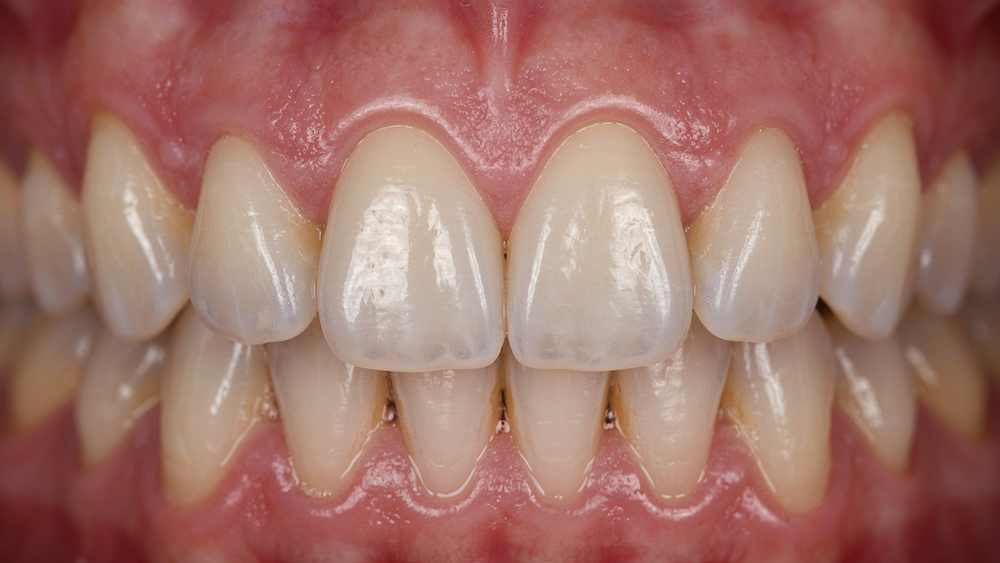
If your teeth seem to be getting longer or you are noticing more sensitivity around the gum line, you may be experiencing gum recession. A common question we hear is whether receding gums can grow back. Unfortunately, once true gum recession has occurred, the gum tissue that has been lost generally does not grow back on its own. However, that does not mean nothing can be done. Identifying and treating the underlying cause can often prevent the recession from getting worse, reduce sensitivity and protect the affected teeth. In suitable cases, a gum specialist may also be able to cover exposed roots with procedures such as gum grafting.
What Are Receding Gums?
Gum recession occurs when the edge of the gum moves away from its original position around a tooth, exposing more of the tooth or its root. Because the root surface does not have the same protective covering as the crown of the tooth, recession can sometimes result in increased sensitivity to cold, hot or sweet foods, teeth appearing longer than before, a visible notch or change around the gum line, exposed yellowish root surfaces, and a greater risk of root decay in some patients. Gum recession can affect a single tooth or multiple teeth and may progress gradually enough that patients do not notice it immediately.
Why Do Gums Recede?
There is no single cause of gum recession. Periodontal disease is one of the more common contributors: it can cause inflammation and destruction of the tissues and bone supporting the teeth, and as these supporting structures are lost, the gum line may recede. Bleeding gums, persistent bad breath, gum swelling, loose teeth or increasing spaces between the teeth may suggest underlying periodontal disease and should be assessed by a dentist.
Brushing habits can also play a role. More pressure does not necessarily mean cleaner teeth, and repeatedly scrubbing the gum line with excessive force, particularly with a hard toothbrush, may contribute to wear around the neck of the tooth and recession in susceptible patients. A soft-bristled toothbrush and a gentle, controlled brushing technique are usually preferable.
Individual anatomy matters too. Some people naturally have thinner gum tissue than others and may therefore be more susceptible to recession. The position of a tooth and the amount of supporting gum and bone around it can also influence the risk.
Other factors may contribute to gum recession depending on the individual, including smoking, plaque accumulation and ongoing inflammation around the teeth. This is why determining why the gum has receded is important before deciding how it should be treated.
So, Can Receding Gums Grow Back Naturally?
Gum tissue that has genuinely receded does not normally regenerate and grow back over an exposed root by itself. However, there is an important distinction between regrowing lost gum tissue and improving the health of the gums that remain. If inflammation or gum disease is present, treating it can make the gums healthier, firmer and less swollen. Improving brushing technique and plaque control may also help prevent additional damage. The gum line may therefore look and feel healthier after treatment, but this should not be mistaken for the original lost gum tissue growing back. If an exposed root needs to be physically covered again, a periodontal procedure such as gum grafting may be required.
How Are Receding Gums Treated?
Treatment depends on the cause and severity of the recession, and not every patient with recession requires surgery.
For mild, stable recession caused partly by brushing habits, the first step may simply be to change the way you brush. Using a soft-bristled toothbrush, avoiding excessive pressure and keeping the gum line clean without aggressively scrubbing it can help protect the remaining tissue. Your dentist may also demonstrate brushing and interdental cleaning techniques suited to your teeth and gums.
If periodontal disease is contributing to the recession, the infection and inflammation need to be controlled. Treatment may include professional cleaning or, where appropriate, scaling and root planing to remove plaque and calculus from below the gum line. It is important to understand that scaling and root planing treats gum disease; it does not replace gum tissue that has already receded. Its purpose is to create a healthier periodontal environment and help prevent further loss of the tissues supporting the teeth.
When recession exposes the root of a tooth, sensitivity may occur because the root surface is less protected than enamel. Depending on the situation, your dentist may recommend measures such as desensitising toothpaste, fluoride products or other treatments to make the area more comfortable.
For more significant recession, especially when there is inadequate gum tissue or exposed roots require coverage, gum grafting may be considered. Gum grafting is usually performed by a dentist with appropriate training or a periodontist, a dental specialist who manages the gums and supporting structures around the teeth. The procedure involves placing additional gum tissue around the affected area, and depending on the individual case it may help cover part or all of an exposed root, increase the thickness of gum tissue, reduce sensitivity, improve the appearance of the gum line and protect the area from further recession. Not every recession defect can be completely covered, so the expected outcome depends on the anatomy and severity of the individual case.
Can Home Remedies Reverse Gum Recession?
There are many claims online that substances such as coconut oil, aloe vera or other natural remedies can make receding gums grow back, but they cannot replace gum tissue that has already been lost. Rather than trying to regrow the gum at home, the more useful focus is on protecting the tissue that remains: brushing twice daily with a soft-bristled toothbrush, avoiding excessive brushing pressure, cleaning between the teeth regularly, maintaining good plaque control, avoiding smoking and tobacco products, and attending dental reviews appropriate for your individual oral health needs. If your gum line is continuing to change despite good home care, it is worth having the cause assessed professionally.
Can Mouthwash Help Receding Gums?
Mouthwash may form part of an oral hygiene routine in selected patients, particularly when gum inflammation is present. However, mouthwash cannot cause a receded gum line to grow back. It should also not be used as a substitute for effective brushing, interdental cleaning or treatment of underlying periodontal disease. Your dentist can advise whether a particular mouthwash is useful for your situation.
How Can You Prevent Gum Recession From Getting Worse?
Prevention depends on addressing the cause. For many patients, the fundamentals include maintaining good plaque control, brushing gently with a soft toothbrush, cleaning between the teeth, treating gum disease early, avoiding smoking, and having changes in the gum line assessed rather than waiting for them to progress.
If you grind or clench your teeth, have crowded or unusually positioned teeth, or have particularly thin gum tissue, your dentist may also consider these factors when assessing your risk. The goal is not simply to make the gums look better. It is to keep the teeth, gums and supporting bone healthy and stable over the long term.
When Should You See a Dentist About Receding Gums?
You should consider having your gums assessed if you notice one or more teeth looking longer, increasing sensitivity near the gum line, visible exposed roots, a notch developing near the gum line, bleeding or swollen gums, persistent bad breath, loose teeth, or gum recession that appears to be getting progressively worse.
Early assessment is useful because the treatment depends heavily on the underlying cause. During an examination, your dentist may assess the position of the gum line, look for inflammation and plaque, check the health of the tissues around the teeth and measure the gum pockets where appropriate. X-rays may also be required if there are concerns about periodontal bone loss.
Do Receding Gums Always Need Treatment?
Not necessarily. A small area of recession that is healthy, stable and causing no symptoms may simply need to be monitored. On the other hand, active gum disease, worsening recession, significant sensitivity, root decay or aesthetic concerns may justify treatment. This is why treatment should be based on an examination rather than simply on how much of the tooth appears visible.
The Bottom Line: Can Receding Gums Grow Back?
Receding gums do not normally grow back naturally once gum tissue has genuinely been lost. The good news is that many cases can be stabilised. Treating gum disease, improving brushing technique and maintaining good oral hygiene can help prevent further recession. Sensitivity can often be managed, and where root coverage is needed, gum-grafting procedures may be considered in suitable cases. The key is finding out why the gum has receded before deciding what to do about it.
Gum Recession Assessment at Figs Dental
If you have noticed that your teeth are looking longer, becoming more sensitive or changing around the gum line, we can assess the area at Figs Dental in KAP Mall, Bukit Timah.
We can help determine the likely cause and severity of the recession, assess your overall gum health and treat underlying gum disease where appropriate. If the recession would benefit from specialist periodontal treatment or a procedure such as gum grafting, we can also advise you on the appropriate next step and referral. If you are concerned about a changing gum line, book a consultation with us for an assessment and personalised treatment plan.