
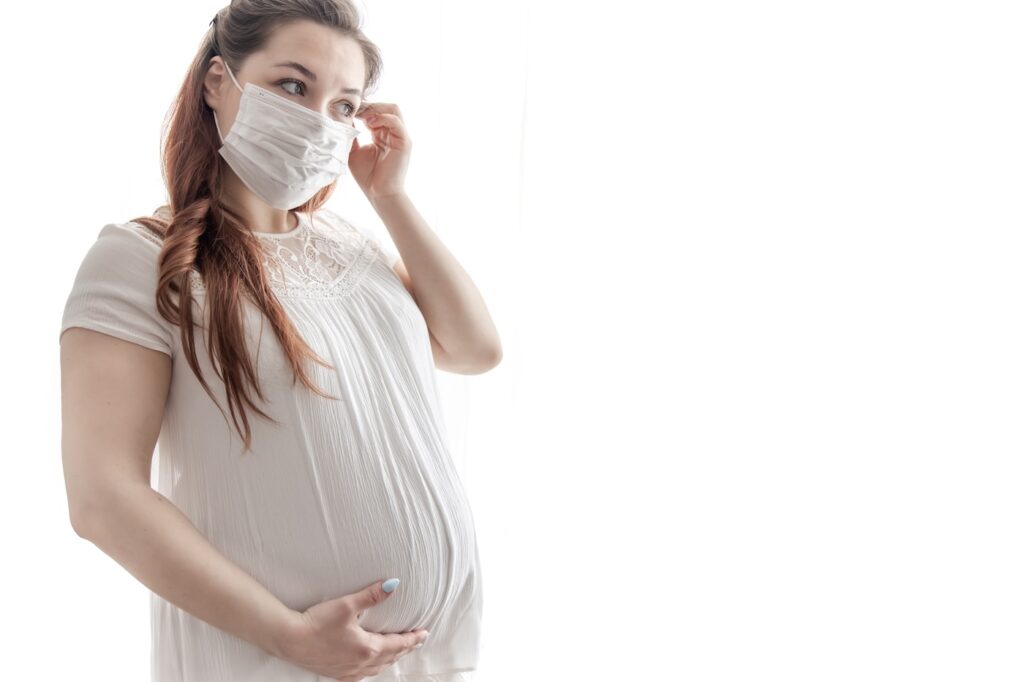
If you’re pregnant and have been putting off that dental appointment, you’re not alone. Many expectant mothers in Singapore worry that sitting in the dentist’s chair might somehow harm their baby. But the reality is quite the opposite.
Both the American Dental Association (ADA) and the American College of Obstetricians and Gynecologists (ACOG) agree that preventive, diagnostic, and restorative dental treatment is safe throughout all three trimesters. In fact, delaying necessary dental care can put you and your baby at greater risk than going ahead with it.
This article breaks down what’s safe, what should wait, and what every pregnant woman in Singapore should know about looking after her teeth during pregnancy.
Why Oral Health Matters More During Pregnancy
Pregnancy brings a surge in oestrogen and progesterone, and these hormonal changes make your gums much more reactive to plaque bacteria. This is why so many women notice their gums bleeding more easily when they brush or floss, even if they’ve never had gum problems before. The condition is commonly called pregnancy gingivitis, and it tends to peak during the second trimester.
If left unmanaged, gingivitis can progress into periodontitis, which is a more serious infection that damages the bone and tissue holding your teeth in place. A large body of research has looked into the relationship between periodontitis and pregnancy complications. A review of systematic reviews published in the Journal of Dental Research found a consistent association between periodontal disease and preterm birth, with an estimated relative risk of around 1.6. While the evidence on whether treating gum disease during pregnancy directly prevents preterm birth is still evolving, there is strong consensus that treatment is safe and improves the mother’s oral health.
Pregnancy can also increase your risk of cavities. Morning sickness exposes teeth to stomach acid, and changes in diet (more frequent snacking, cravings for sugary foods) can speed up decay. Getting cavities treated early prevents them from turning into painful infections down the line.
Which Dental Treatments Are Safe During Pregnancy?
Routine Cleanings and Check-ups
Scaling and polishing are not only safe but actively recommended. Professional cleanings remove hardened plaque that brushing alone can’t reach, and they help keep pregnancy gingivitis from getting worse. The ADA recommends that pregnant women continue their regular dental visits and not defer routine care.
Fillings and Restorations
Got a cavity? It’s actually safer to get it filled during pregnancy than to leave it alone. Untreated decay can lead to infection, pain, and the need for more invasive procedures later on. Tooth-coloured composite fillings are commonly used and considered safe. The second trimester is often the most comfortable time for this kind of work, but fillings can be done at any stage if your dentist thinks they’re needed.
Root Canals and Crowns
When a tooth is badly decayed or infected, a root canal stops the infection from spreading. That’s far more important for a healthy pregnancy than avoiding the procedure. Both the ADA and ACOG recognise that emergency and necessary treatments, including root canals, extractions, and crowns, can be safely performed at any point during pregnancy.
Dental X-rays
This is one of the biggest concerns we hear from patients, and understandably so. But modern digital dental X-rays emit very low radiation. A single periapical X-ray exposes you to roughly 0.005 millisieverts, which is a fraction of the natural background radiation you receive in a single day. The ADA confirms that dental radiographs are safe for pregnant patients. That said, most dentists will hold off on routine X-rays until after delivery when possible, and only take them during pregnancy when they’re needed for diagnosis. A lead apron provides additional shielding as a precaution.
Local Anaesthesia
Lidocaine, with or without adrenaline (epinephrine), is the most commonly used dental anaesthetic and is considered safe during pregnancy by both the ADA and ACOG. This matters because stress and pain from an untreated dental problem can actually be more harmful to your pregnancy than the anaesthetic itself. Proper pain control helps keep both you and the baby safe.
What Should Be Postponed?
While most necessary dental work can go ahead safely, a few things are better left until after delivery.
Cosmetic treatments like teeth whitening and veneers are elective and carry no urgency, so they’re typically postponed. Nitrous oxide (laughing gas) is classified as a potential risk to fetal development and is not recommended during pregnancy. If you need sedation beyond local anaesthesia, talk to your dentist about alternatives. General anaesthesia is avoided unless it’s absolutely necessary for a medical emergency, as it carries higher risks for both mother and baby.
Handling Dental Emergencies During Pregnancy
A severe toothache, a dental abscess, or a broken tooth should never be ignored during pregnancy. Putting off treatment can allow infection to spread, and that poses a real risk to both you and your baby.
A dental abscess is a pocket of pus caused by bacterial infection. If you notice a persistent, throbbing pain along with swelling or fever, contact your dentist right away. Treatment usually involves draining the abscess and may require antibiotics. Commonly prescribed antibiotics like amoxicillin and penicillin have well-established safety profiles during pregnancy. Your dentist and obstetrician can work together to make sure the right medication is used.
For toothaches, paracetamol (acetaminophen) is generally considered a safe pain reliever during pregnancy. Avoid self-medicating with NSAIDs like ibuprofen, especially during the third trimester, without checking with your doctor first.
Trimester-by-Trimester Guide
First Trimester (Weeks 1 to 12)
This is a good time to let your dentist know you’re pregnant and to share any medications or supplements you’re taking. Routine care is safe, though some women prefer to schedule elective treatment for the second trimester when morning sickness has usually eased up. If you’re dealing with morning sickness, try rinsing your mouth with a teaspoon of baking soda in water after vomiting. This helps neutralise the acid and protect your enamel. Wait about 30 minutes before brushing.
Second Trimester (Weeks 13 to 26)
This is generally the most comfortable window for dental treatment. You’re past the early nausea phase and not yet at the stage where lying on your back for long periods becomes uncomfortable. If you need fillings, root canals, or extractions, your dentist will often suggest scheduling them during this period.
Third Trimester (Weeks 27 to 40)
Dental care is still safe, but comfort becomes more of a factor. Lying flat on your back can compress the vena cava (a major blood vessel), which may cause dizziness or nausea. Your dentist can recline the chair at a slight angle and offer frequent position changes to keep you comfortable. Emergency treatment should never be delayed regardless of what trimester you’re in.
Common Myths About Dental Care in Pregnancy
Myth: You should avoid the dentist entirely during pregnancy
This is one of the most persistent and harmful misconceptions out there. Skipping dental visits during pregnancy can allow small problems to snowball into serious infections. The ADA, ACOG, and dental professionals here in Singapore all recommend continuing routine dental care throughout pregnancy.
Myth: Dental X-rays will harm my baby
The radiation dose from a dental X-ray is extremely small, well below any threshold associated with fetal risk. With proper shielding, diagnostic X-rays can be taken safely when your dentist needs them for an accurate diagnosis.
Myth: The baby “steals” calcium from my teeth
This is a folk belief with no scientific basis. Your body does increase calcium absorption during pregnancy to support your baby’s developing bones, but it does not pull calcium from your teeth. If you’re noticing more cavities during pregnancy, it’s more likely due to changes in your diet and oral hygiene habits than calcium loss.
Myth: Local anaesthesia is dangerous for the baby
Lidocaine is one of the most well-studied dental anaesthetics and has a strong safety record during pregnancy. The small amount used in dental procedures poses minimal risk compared to the potential harm of leaving a painful or infected tooth untreated.
Practical Oral Hygiene Tips for Expectant Mothers
Brush twice daily with a fluoride toothpaste and a soft-bristled brush. If your gums are feeling sensitive, try a smaller-headed brush. It’s easier to reach difficult areas without pressing too hard.
Floss daily. Pregnancy gingivitis makes this even more important, because plaque trapped between teeth speeds up gum inflammation.
If morning sickness makes brushing uncomfortable, try brushing at a different time of day when you’re feeling less nauseous, or switch to a bland-tasting toothpaste.
Rinse with a fluoride mouthwash if your dentist recommends it, especially if you’re vomiting frequently.
Stay hydrated and try to limit sugary snacking between meals. If you do snack, go for options like cheese, nuts, or vegetables. They’re less likely to feed the bacteria that cause decay.
Dental Care Costs During Pregnancy in Singapore
For Singapore Citizens, the Community Health Assist Scheme (CHAS) provides subsidies for dental treatments at participating clinics. Eligible cardholders (CHAS Blue, Orange, Merdeka Generation, and Pioneer Generation tiers) can receive subsidies on services like scaling, polishing, fillings, extractions, root canal treatment, crowns, and dentures. If you hold a CHAS card, just bring it along with your NRIC to your dental visit and the subsidy will be applied directly to your bill.
For surgical dental procedures, such as wisdom tooth extraction or emergency surgical treatment of a dental abscess, Medisave can be used to offset part of the cost. The claimable amount depends on the specific surgical code and is subject to CPF Board withdrawal limits. Your dental clinic will usually handle the Medisave claim paperwork for you.
Worth noting: routine preventive care like scaling and check-ups is not Medisave-claimable, but that’s where CHAS subsidies can help bring down your out-of-pocket costs.
When to See a Dentist During Pregnancy
If it’s been more than six months since your last dental check-up, or if you’re dealing with bleeding gums, toothache, or any oral discomfort, don’t wait. Early intervention is always simpler and less costly than treating advanced problems.
At Figs Dental, we see expectant mothers regularly and understand the considerations involved. If you have questions about dental care during your pregnancy, get in touch with our team to arrange an appointment.